Fernández Wins Fulbright Award to Study Youth Climate Justice Activism 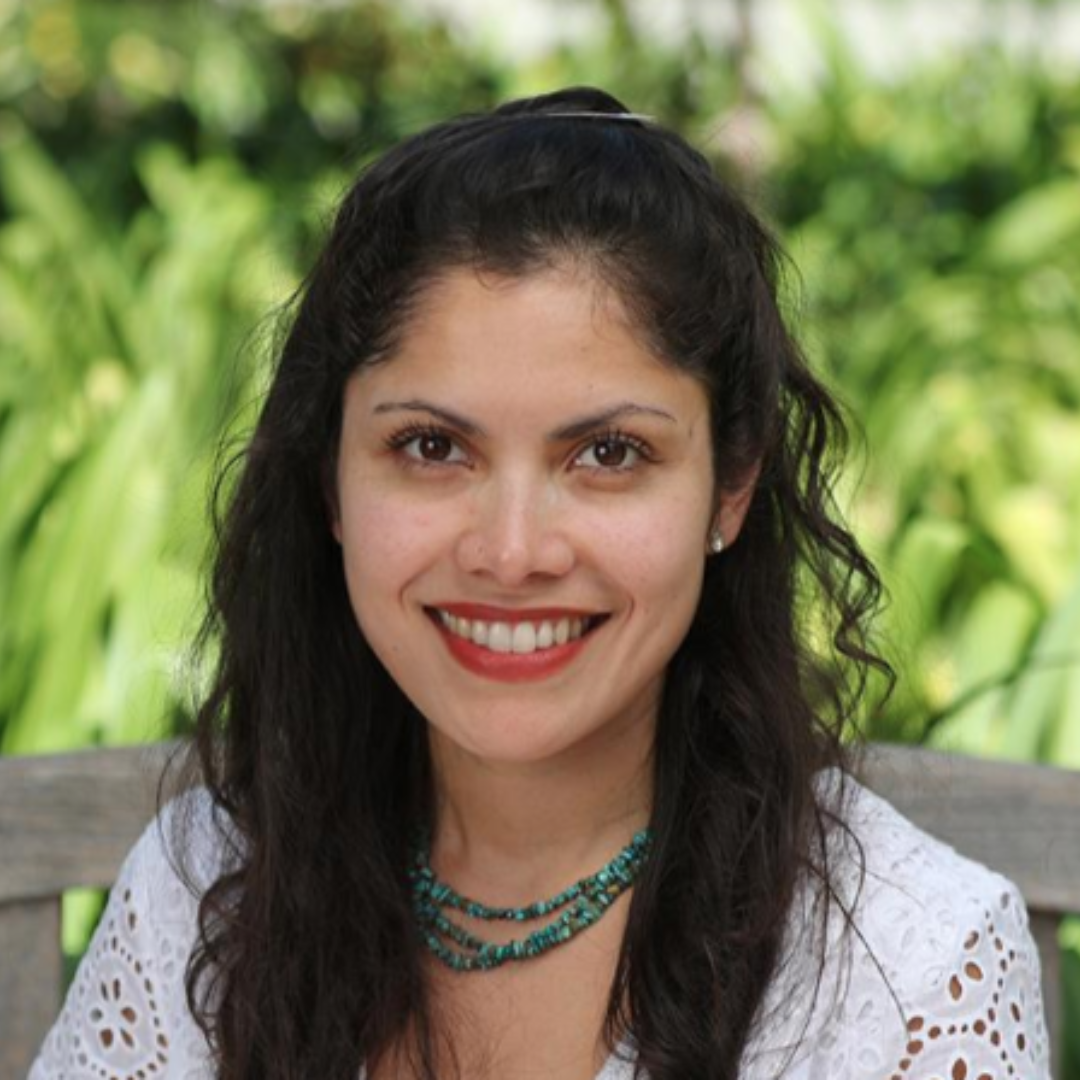 | In April, the Initiative's Jesica Siham Fernández was named a 2024-2025 Fulbright U.S. Scholar. Her project, Youth Making a Change, is a transnational study of climate justice activists' sociopolitical development. The goal of her project is to examine how youth are involved in organizing sustainable climate action in the United States and the European Union. During her short-term Fulbright fellowship, Jesica will study youth activists in Florence, Italy. What youth think about climate change—and its connections to issues such as poverty, poor health, and forced migration due to environmental disasters, for example—matters because it can explain why youth enact their politics, and how youth embody their citizenship as members of the polity. Transnational organizations in the U.S. and the E.U. can develop appropriate policies and interventions to support climate adaptation for sustainability, environmental health, and global democratic thriving. Jesica's scholarly project will offer implications for advancing climate justice, documenting youth citizenship, and fostering U.S.–E.U. transnational collaborations of political accountability for climate action. |
The Initiative Welcomes New Affiliate Rocio Lilen Segura  | Rocio Lilen Segura, an Assistant Professor of Civil, Environmental, and Sustainable Engineering (CESE), joined the Initiative as a new affiliate this spring. A native of Argentina, her expertise is in structural and earthquake engineering, risk assessment, and applied probability. Segura also has strong interests in using interdisciplinary, community-based approaches to understand how disadvantaged communities are disproportionately affected by risk from dams and levees, how engineering risk assessments contribute to these inequities, and how they could be improved. Her initial forays into these topics have involved close mentorship of several undergraduate student research assistants, including those from historically underrepresented backgrounds. She serves as the faculty advisor of the SCU chapter of the Society of Hispanic Professional Engineers (SPHE) and will be developing EJ-focused seminars and senior design projects in CESE. |
Research Supports Civil Rights Complaint Against Water Contamination in Latinx Communities 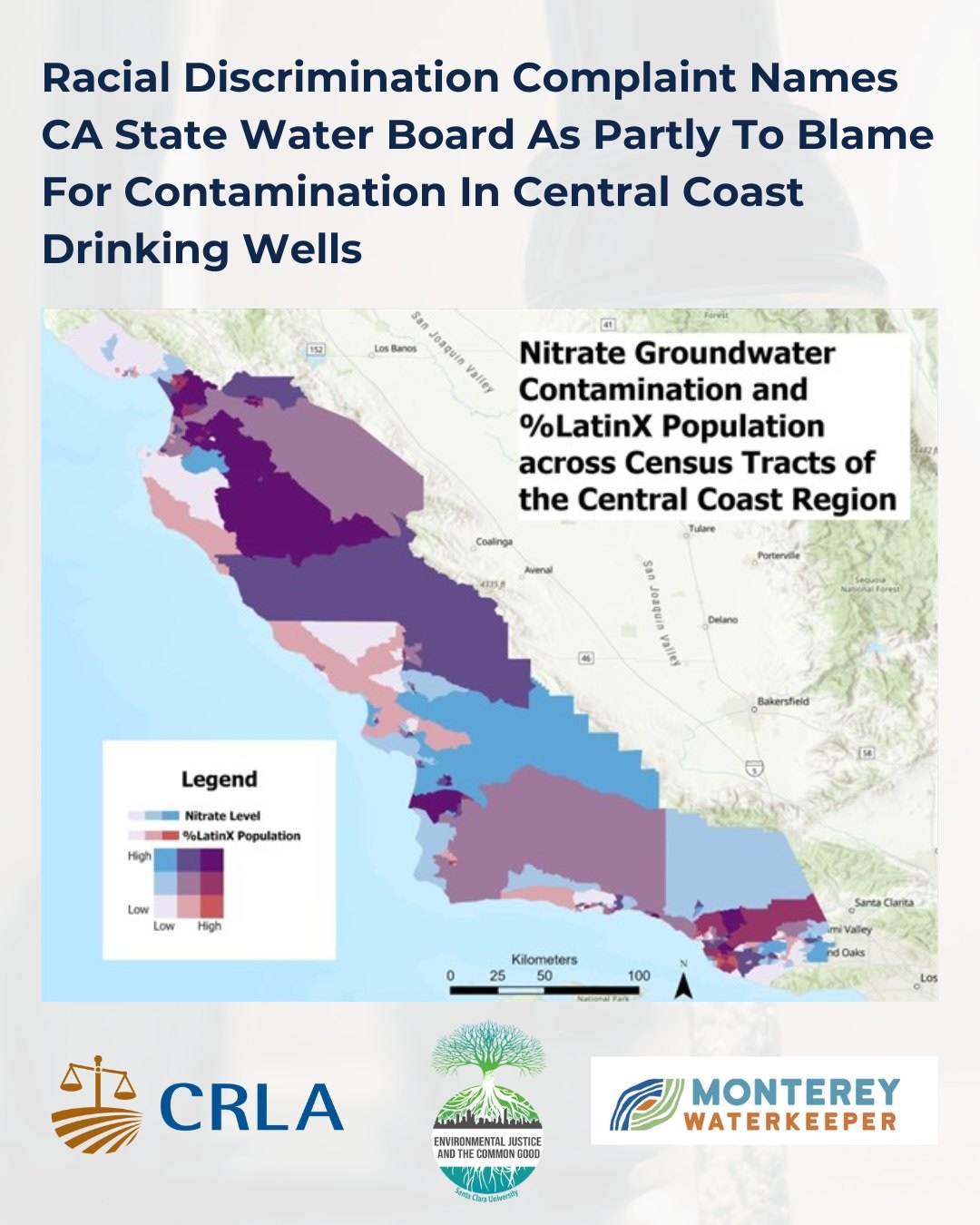 | In March, a coalition that included Iris Stewart-Frey for the Initiative, California Rural Legal Assistance (CRLA), the Water and Climate Justice Lab, Jake Dialesandro (SCU, CRLA, Water and Climate Justice Lab collaborator), Monterey Waterkeeper, and Latinx community groups filed a Civil Rights Complaint with the U.S. Environmental Protection Agency (EPA) against the California State Water Resources Control Board (State Water Board). The complaint addressed the racially disproportionate impacts caused by the State Water Board’s failure to regulate water pollution from nitrogen fertilizers used by the agricultural industry in California’s Central Coast region, which contaminate thousands of drinking water wells. California’s Human Right to Water Act established the state policy that every human being has the right to safe, clean, affordable, and accessible water. Stewart-Frey and Dialesandro’s analysis show that groundwater in the Central Coast region is 4.4 times more likely to contain nitrate levels above state drinking water standards in Latinx communities as compared to non-Latinx communities. Nitrate levels in Latinx communities are also likely to be almost 150% higher than those in mostly white communities. The researchers’ map shown here draws on data from the Groundwater Ambient Monitoring and Assessment (GAMA) Program and CalEnviroScreen Data (OEHHA). |
Presentation and Podcast on Ground Truths: Community-Engaged Research for Environmental Justice 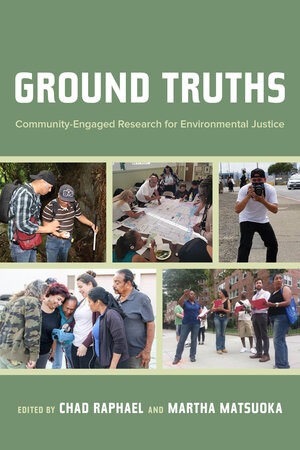 | On April 5, the Initiative’s Chad Raphael and several of his co-authors presented chapters from their recent book to the Charlotte Action Research Project at the University of North Carolina - Charlotte. Chad and Martha Matsuoka (Occidental College) presented the book’s framework, which shows how community-engaged research makes unique contributions to environmental justice. Co-authors Vera L. Chang (UC-Berkeley) and Teresa Mares (University of Vermont) presented the chapter about food justice and food sovereignty, and Ashwin Ravikumar (Amherst College) presented on conservation and environmental justice. On May 16, Raphael and Matsuoka recorded a podcast with co-author Carolina Prado (San Francisco State University) about research in environmental justice law, policy, and public participation, which will be available from Just Solutions later in the summer. Published by University of California Press - Luminos, the book is available open access (free to readers). Additional chapters address community-engaged research on environmental justice themes in public health, urban planning, and community economic development, as well as community-engaged research methods. In February and March, the Initiative and Occidental’s Urban and Environmental Policy Institute organized a webinar series based on the book, which is archived on the Initiative’s website. |
Public Scholarship in Environmental Communication 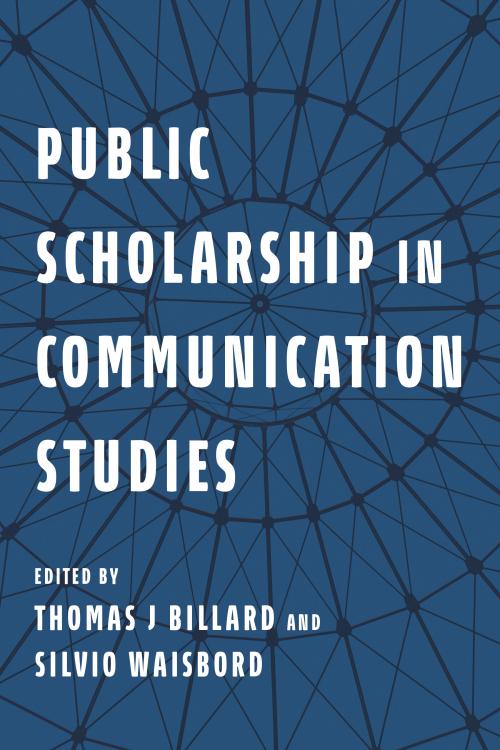 | The Initiative’s Chad Raphael published a chapter about how environmental communication researchers can make their work public in ways that center communities’ needs and interests, rather than simply acting as a vehicle for scholarly persuasion or academic self-branding. Published in Thomas J. Billard and Silvio Waisbord’s edited book, Public Scholarship in Communication Studies, Raphael’s chapter focuses on the major approaches to doing public scholarship involving environmental communication, and their potential rewards and risks for scholars, communities, and the natural world. The chapter argues that the purposes of environmental communication studies should especially drive scholars to practice participatory research with communities, not simply on or for them, and to center issues of environmental justice. |
Bringing Community Perspectives into the Levee Flooding Risk Assessment Framework for Greater Infrastructure and Climate Justice 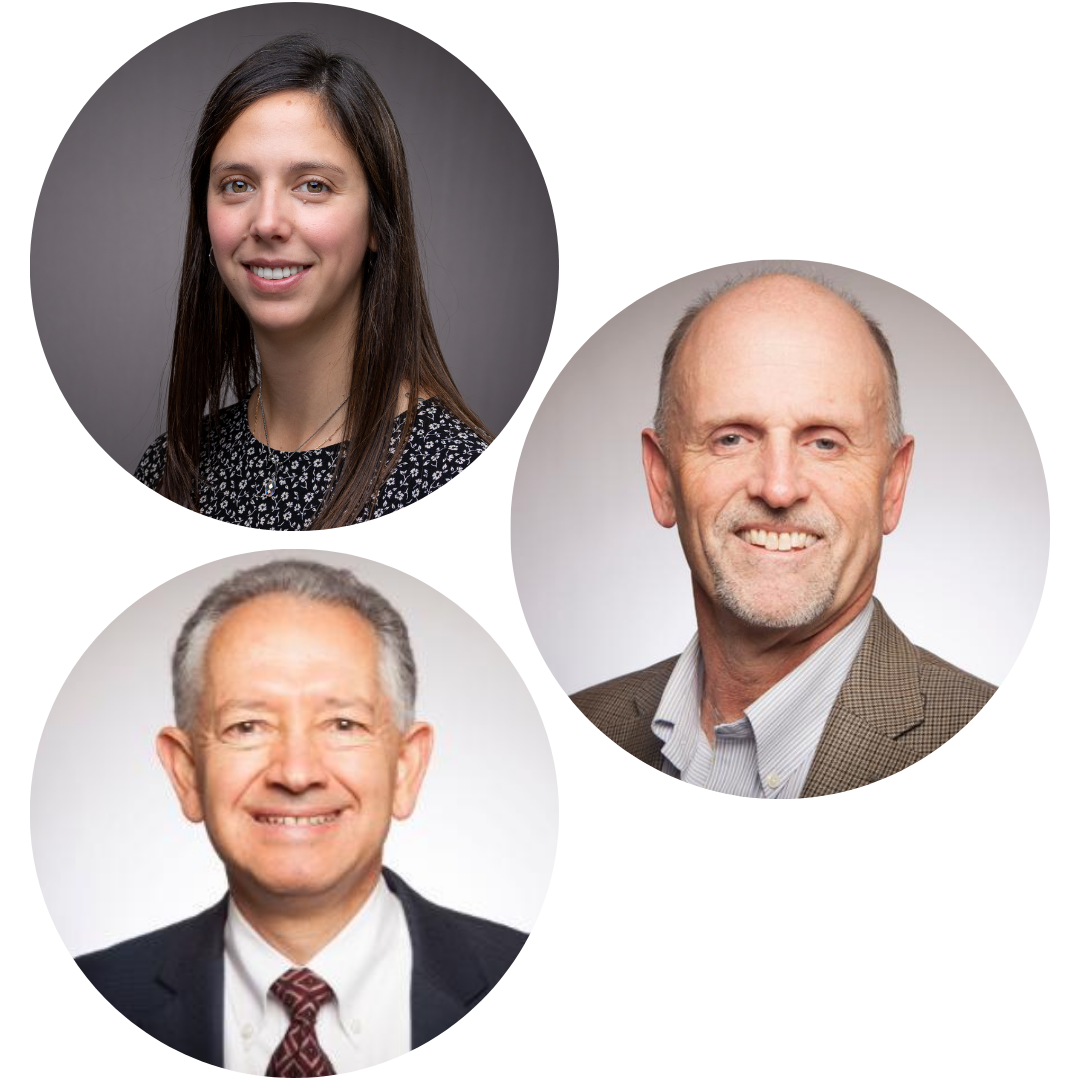 | The Initiative and SCU’s Miller Center for Social Entrepreneurship announced a new grant to support Rocio Lilen Segura (Civil, Environmental and Sustainable Engineering), David DeCosse (Religious Studies), and Pedro Hernández-Ramos (Education) to collaborate on their project on the increasing threats to levees from natural hazards under climate change, particularly as they affect disadvantaged communities. The research focuses on Pajaro, CA, an unincorporated community in Monterey County that experienced catastrophic flooding in March 2023. Through a community-engaged process including photovoice, workshops, and interviews, the interdisciplinary research team will explore the perspectives of this community impacted by historic injustices and climate risk. The study will help to develop alternative risk and climate resilience frameworks guided by community voices and environmental justice principles. |
Community Engagement for Forest Restoration in the Kwango – Western Province/Democratic Republic of Congo  | The Initiative and SCU’s Miller Center for Social Entrepreneurship made a new grant to Léocadie Lushombo (Jesuit School of Theology) to support her collaboration with local ethnographers and 50 women reforesters organized by the Centre d’Appui à la Gestion Durable des Forêts Tropicales (CAGDFT), a local community partner. The study will illuminate how women can select tree species that have cultural, economic, and environmental value for restoring forests to withstand climatic hazards and erosion, and reduce the long journeys that women travel to obtain goods and services formerly provided by the forest. The project will assess what an African indigenous religious approach can bring to the UN’s Life on Land sustainable development goal, taking a holistic and intersectional view of development provided by cultural and theological wisdom about community forests. Jesuit School of Theology students will help to analyze the interview data, which will be published in a journal article and used as a teaching case. |
Native Plants for Stewardship, Harvest and Sustainable Use in Ohlone Cultural Projects 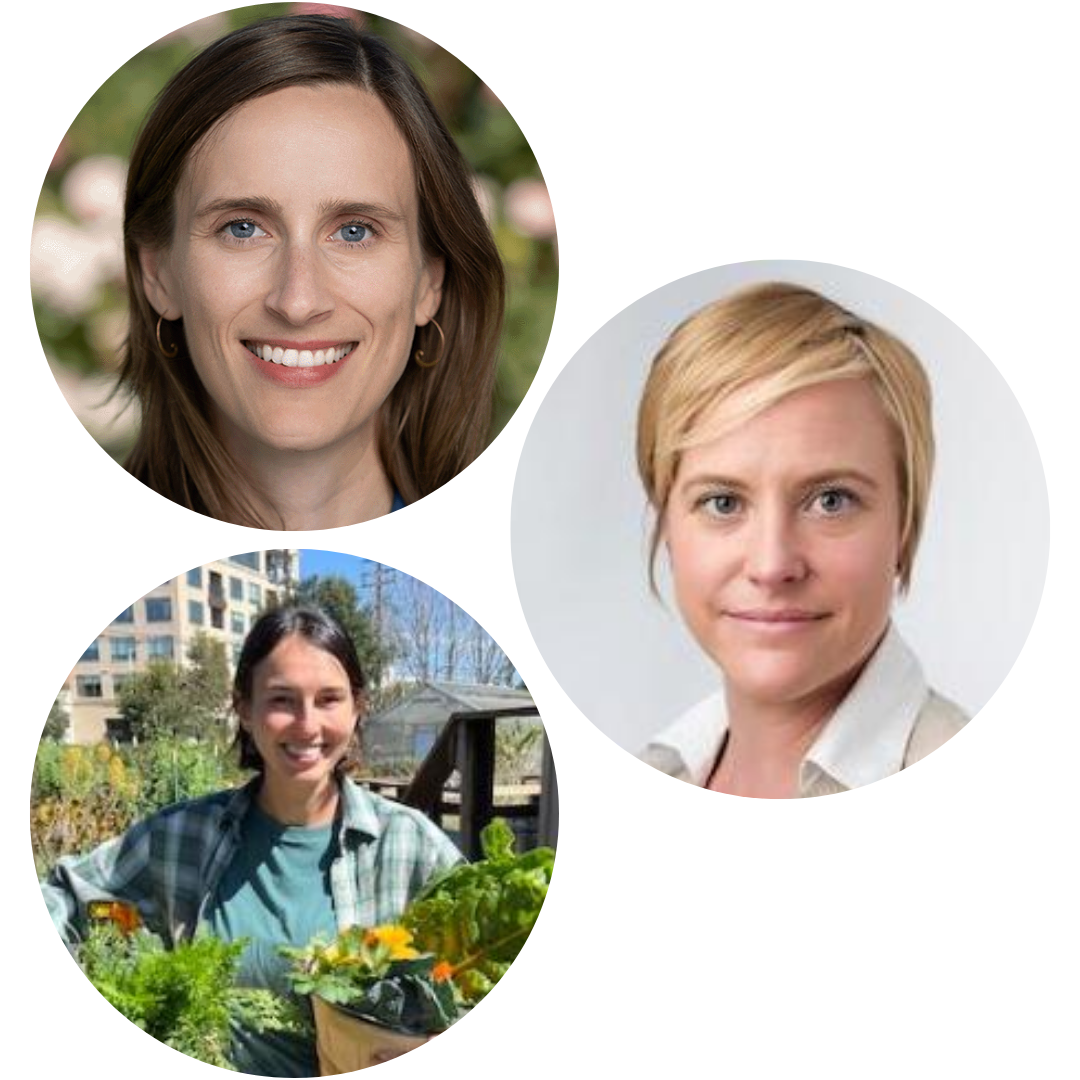 | The Initiative recently funded this project to support the purchase, cultivation, digitization, and public interpretation of Native plants for SCU’s Forge Garden. The work will support Ohlone cultural knowledge sharing and public education about land stewardship, cultivation, and uses of plants. Maia Dedrick (Anthropology) and Becca Nelson (Forge Garden) recently purchased seeds and seedlings of Native plant species to study and plant. Dedrick will work with her students to analyze the seeds and compare them to specimens that are known to have been unearthed at archaeological sites in the south Bay Area, while Nelson will take the lead on planting and cultivating new Native plants at the garden for future study and use by Ohlone and other communities. Amy Lueck (English) is an additional partner on the project. |
PFAS and Emerging Contaminants in Drinking Water Serving California Tribes 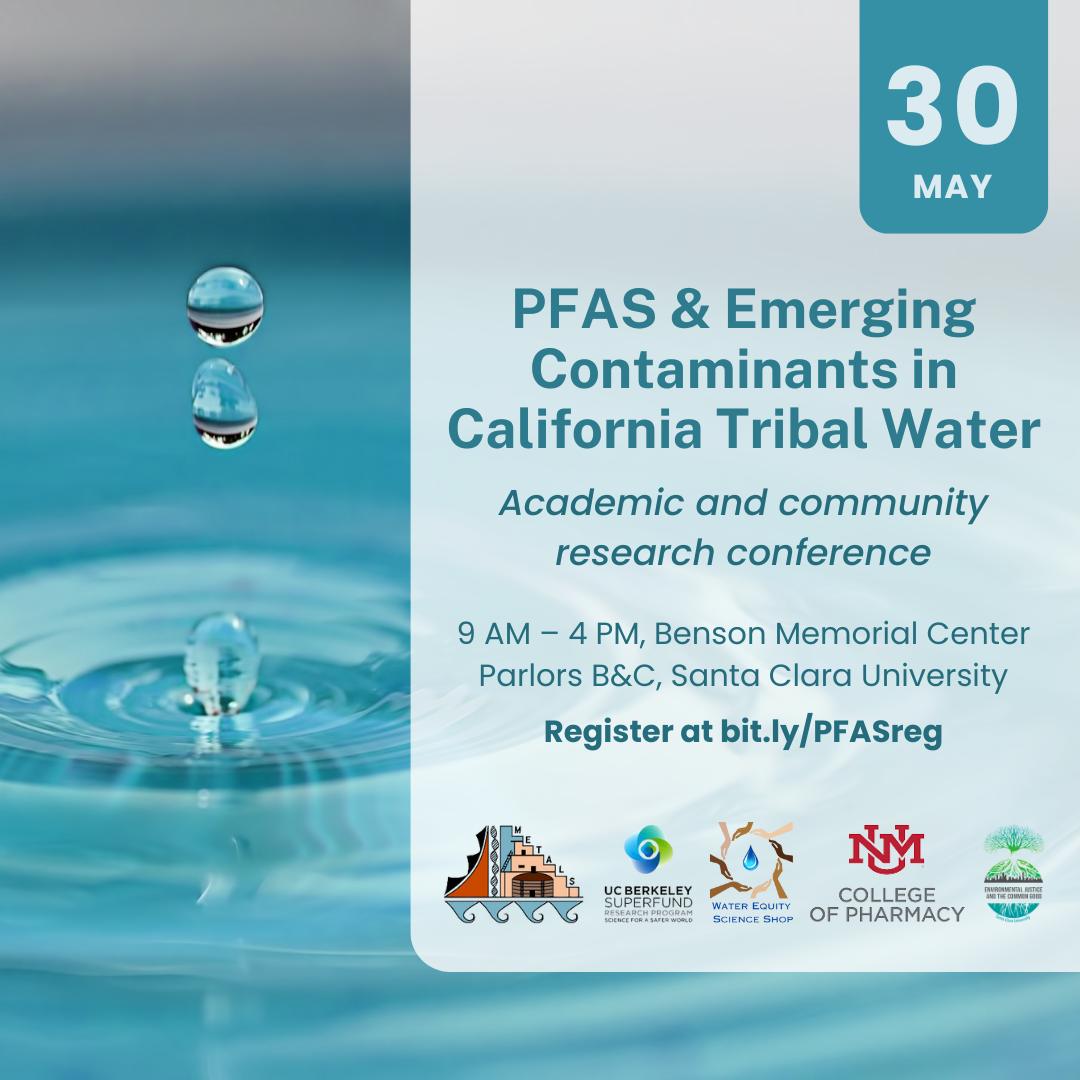 | On May 30, the Initiative's Iris Stewart-Frey, along with Clare Pace (UC-Berkeley Water Equity Science Shop), Daniel Beene (University of New Mexico), and Tedde Simon (Tribal Liaison, UC Berkeley) organized and moderated a one-day conference at SCU on shallow groundwater contamination near tribally managed lands in California from PFAS, which are often described as persistent organic pollutants or "forever chemicals." Keynote speakers were Otakuye Conroy-Ben (Oglala Lakota), a leading researcher on PFAS contamination on Tribal lands nationally, and Gregg Castro (Salinan/ Rumsien-Ramaytush Ohlone), Charlie Toledo (Towa), and Shaun Livermore (National Tribal Water Council, Poarch Band of Creek Indians) on Tribal perspectives and priorities. The conference provided opportunities to learn and discuss what is currently known about the issue and facilitated conversations about opportunities for collaboration among PFAS researchers, Tribal community members, and policy advocates. Presenters described current research efforts and water quality data. Tribal community members spoke about how research can support diverse community needs, and all participants envisioned actionable research to support advocacy and policy change. See the full program and list of speakers. The conference was sponsored by the Initiative, the Water Equity Science Shop at UC-Berkeley, SCU’s Office of Diversity and Inclusion and Inclusive Excellence Initiative, the Environmental Justice Data Fund, the University of New Mexico METALS SRP, and the SCU Department of Environmental Studies and Sciences. Research coordinator Maria Eugenia Flores-Gomez and undergraduates Samantha Lei, Stephanie Davies, and William (Ivy) Alexander supported the conference. Watch the video recording. |
New Course on Environmental Justice in Silicon Valley and California  | In April, Chad Raphael taught an Osher Lifelong Learning Institute (OLLI) continuing education course on environmental justice solutions for a healthier California. The course focused on how environmental justice is an important lens for understanding connections among the critical issues facing Silicon Valley and California, such as affordable housing, Indigenous rights, and improving youth mental health. He also introduced tools for students to better understand these issues, including screening and mapping websites, civil society and policy organizations, and community-engaged research. Each module concluded with individual, organizational, and structural actions that are being taken to advance environmental justice in our region and state. |
New Options for Engineering Senior Design Projects Include EJ Focus 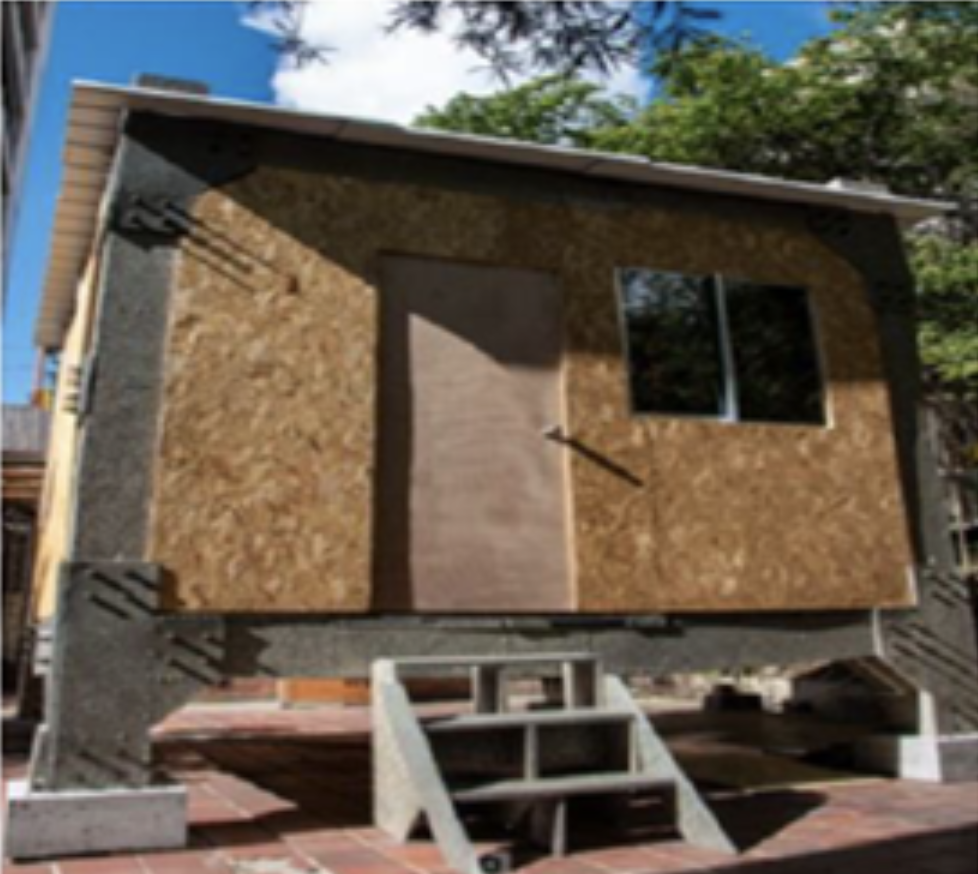 | Assistant professor Rocio Lilen Segura, a new affiliate of the Initiative, has developed two EJ-centered engineering senior design projects: One aims to contribute to solutions to the California housing crisis. It is inspired by a project in Colombia to use alternative recycled-based materials for constructing temporary housing or emergency shelter. The students will analyze the feasibility of locally available recycled materials, exploring sustainable and equitable solutions for unhoused and other vulnerable communities around Santa Clara. For the other project, students will analyze the vulnerability of unincorporated communities living behind levees, using GIS and other visualization tools to highlight the risks faced by these populations. Emphasizing an environmental justice approach, they aim to identify and address the disparities in protection and resilience for these underserved communities. |
Isabelle Solórzano Secures NASA Internship  | Congratulations to Isabelle Solórzano (Environmental Science, Biology minor, ‘24), who recently secured a competitive NASA DEVELOP internship, and will soon start working with NASA Ames Research Center in Mountain View. She will join a project researching the impacts of wetland declinations and deforestation on urban heat in Cali, Colombia, drawing on analysis of remote sensing and community partnerships under an environmental justice framework. The team will also develop a tutorial on the methodologies to be transferred to the partners to increase their capacity to use NASA Earth observations and understand the heat disparity in local communities. Isabelle’s interest in Latin America environmental issues may have started with many trips back to visit family in Nicaragua and her research for the Initiative's Food and Climate Justice Program and in the Agroecology, Climate Resilience and Food Justice (ACRAF) Lab. She has been mentored by Chris Bacon, and Environmental Studies professors Jake Dialesandro, C.J. Gabbe, and Forge Garden Director Becca Nelson. |
Samantha Lei and Elyse Kenyon Win Clare Boothe Luce Fellowships  | Under the mentorship of Iris Stewart-Frey and Jake Dialesandro, Water and Climate Justice Lab undergraduate researchers Samantha (Sam) Lei (ESS ‘26), and Elyse Kenyon (ESS ‘25) were awarded Clare Boothe Luce Fellowships to contribute to research on groundwater contamination and its effects on disadvantaged communities in the Central Valley. Sam’s work seeks to enhance understanding of high nitrate concentrations, nearby sources, and vulnerable populations. She will also collaborate with the lab of Aria Amirbahman (Chair of CESE, SCU) to determine the reliability of affordable nitrate tests that communities can use themselves. Together with Water and Climate Justice research assistant Stephanie Davies (ESS ’26), Sam will be collecting water samples from domestic wells this summer. Elyse Kenyon’s research will focus on understanding the impact of Central Valley concentrated animal feeding animal operations (CAFOs) on nitrate concentrations in groundwater. CAFOs are one of the largest polluters of both groundwater and air as they widely generate, store, and apply large amounts of liquid manure, mostly waste lagoons. Elyse will be using geospatial tools (GIS) to model the locations of CAFOs and then measure the relationship between CAFO locations and density to high nitrate concentrations. |
|
Environmental Justice and the Common Good Initiative
Santa Clara University
500 El Camino Real
Santa Clara, CA 95053
environmentaljustice@scu.edu
|
|